

 The 2026 North Carolina State Sales Tax
1.1 -
What is the 2026 North Carolina Sales Tax Rate?
4.75%
2026 North Carolina state sales tax
Exact tax amount may vary for different items
The North Carolina state sales tax rate is 4.75%, and the average NC sales tax after local surtaxes is 6.9%.
- Prescription Drugs are exempt from the North Carolina sales tax
- Counties and cities can charge an additional local sales tax of up to 2.75%, for a maximum possible combined sales tax of 7.5%
- North Carolina has 1012 special sales tax jurisdictions with local sales taxes in addition to the state sales tax
- North Carolina has a lower state sales tax than 51.9% of states
Counties and cities in North Carolina are allowed to charge an additional local sales tax on top of the North Carolina state sales tax. 92 out of the 100 counties in North Carolina collect a local surtax of 2%. Most groceries are taxed at a reduced rate of 2% (excluding things like candy and soft drinks).
There is a state wide sales tax holiday on the first weekend of August (Friday to Sunday) for the benefit of back-to-school shoppers during which no sales tax is collected on most school related purchases. Exempt items include notebooks, computer equipment, school supplies, clothes, and sporting goods.
If you are a North Carolina business owner, you can learn more about how to collect and file your North Carolina sales tax return at the 2026 North Carolina Sales Tax Handbook  .
.
1.2 -
North Carolina Sales Tax Exemptions
North Carolina doesn't collect sales tax on purchases of most prescription drugs. Groceries and prepared food are subject to special sales tax rates under North Carolina law. In most states, necessities such as groceries, clothes, and drugs are exempted from the sales tax or charged at a lower sales tax rate.
Some items may not be eligible for these reduced sales tax rates, such as expensive clothing, unhealthy food or drinks like soda, and certain non-essential pharmaceuticals. North Carolina does not treat candy or soda as groceries, which means they are not subject to reduced grocery sales tax rates. Other items including gasoline, alcohol, and cigarettes are subject to various North Carolina excise taxes in addition to the sales tax.
North Carolina has seven sales tax holidays, during which certain items can be purchased sales-tax free. For more details, see the North Carolina sales tax holiday calendar.
In some states, items like alcohol and prepared food (including restaurant meals and some premade supermarket items) are charged at a higher sales tax rate. Prepared Food is subject to a higher state sales tax then other items. The NC sales tax applicable to the sale of cars, boats, and real estate sales may also vary by jurisdiction. North Carolina's sales tax rates for commonly exempted items are as follows:
| Groceries: 2% | Clothing: 4.75% | Prepared Food: 8.5% | Prescription Drugs: EXEMPT | Non-Prescription Drugs: 4.75% |
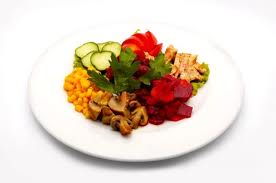
$100 Restaurant Dinner
|
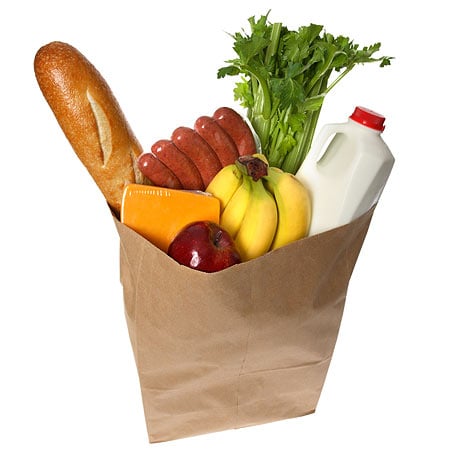
$100 of groceries
|
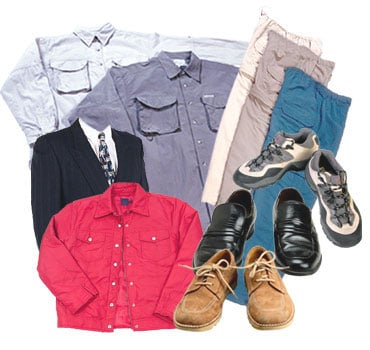
$100 in clothes
|
$100 of consumer products
|
|
$8.50 sales tax $108.50 total |
$2.00 sales tax $102.00 total |
$4.75 sales tax $104.75 total |
$4.75 sales tax $104.75 total |
1.3 -
North Carolina Sales Tax Exemption Certificate
Unlike a Value Added Tax (VAT), the North Carolina sales tax only applies to end consumers of the product. Individuals and companies who are purchasing goods for resale, improvement, or as raw materials can use a North Carolina Sales Tax Exemption Form to buy these goods tax-free.
Companies or individuals who wish to make a qualifying purchase tax-free must have a North Carolina state sales tax exemption certificate, which can be obtained from the North Carolina Department of Revenue . On making an exempt purchase, Exemption Certificate holders may submit a completed North Carolina Sales Tax Exemption Form to the vendor instead of paying sales tax.
Sales tax exemption forms (as well as business sales tax id applications, sales tax returns, and the full North Carolina sales tax code) can be downloaded from the North Carolina Department of Revenue here .
1.4 -
North Carolina Sales Tax Calculator

Whenever you make a purchase at a licensed North Carolina retailer, your sales tax will be automatically calculated and added to your bill. To lookup the sales tax due on any purchase, use our North Carolina sales tax calculator.
1.5 -
North Carolina Use Tax
[View Main Article]
If you buy goods and are not charged the North Carolina Sales Tax by the retailer, such as with online and out-of-state purchases, you are supposed to pay the 4.75% sales tax (less any foreign sales tax paid) for these items yourself as the North Carolina Use Tax.
Your are expected to voluntarily list your liable purchases on a North Carolina Use Tax Return, which should be attached with payment to your North Carolina Income Tax Return. Historically, compliance rates with with the North Carolina Use Tax have been low.
1.6 -
North Carolina Local Sales Taxes
North Carolina does not allow local jurisdictions like cities or counties to collect a local sales tax. The North Carolina state sales tax of 4.75% is applicable statewide. You can view the sales tax rates for various cities in North Carolina here.
Did you find what you were looking for?
 How can we improve this page? We value your comments and suggestions!
 Send Instant Feedback About This Page
 Donate BitCoin:
